
Hair health is a crucial aspect of overall beauty and well-being. Like the skin, hair requires proper care and hydration to maintain luster and strength.
One of the most common issues that many people face is dehydrated hair, which leads to dullness and breakage.
Understanding and addressing the signs of dehydrated hair can help you maintain healthier and more vibrant locks.
In this blog, let us explore the causes, signs, and solutions for dehydrated hair. With PowerYourCurls’ help, experts will reveal tips on how to keep your hair in top condition.
How do I know if my hair is hydrated?
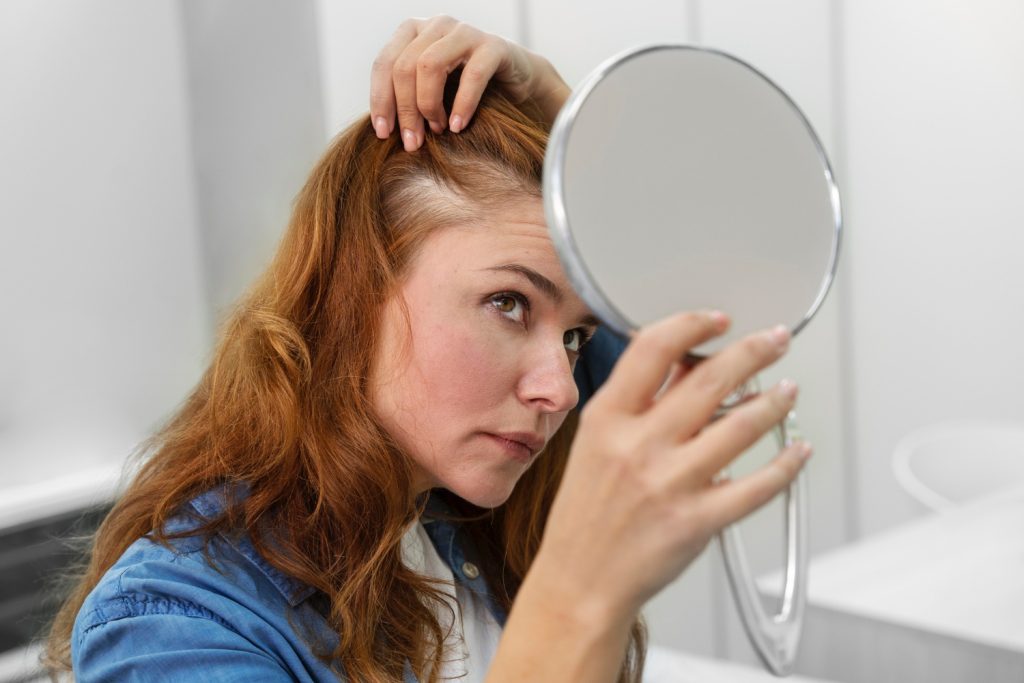
Recognizing the signs of dehydrated hair is the first step toward addressing the issue.
To determine if your hair is dehydrated, it lacks the necessary moisture to keep it healthy and shiny. Unlike dry hair, which is usually caused by the lack of natural oils, dehydrated hair is due to a deficiency in water content within the hair strands. This can make the hair look dull, feel rough, and be more prone to damage.
While both conditions result in similar symptoms, their root causes and treatments differ.
Dehydrated hair can also feel more brittle and be prone to breakage due to the weakened structure. Furthermore, it may appear frizzy and unmanageable, as the lack of moisture causes the hair cuticle to lift, increasing tangling and flyaways.
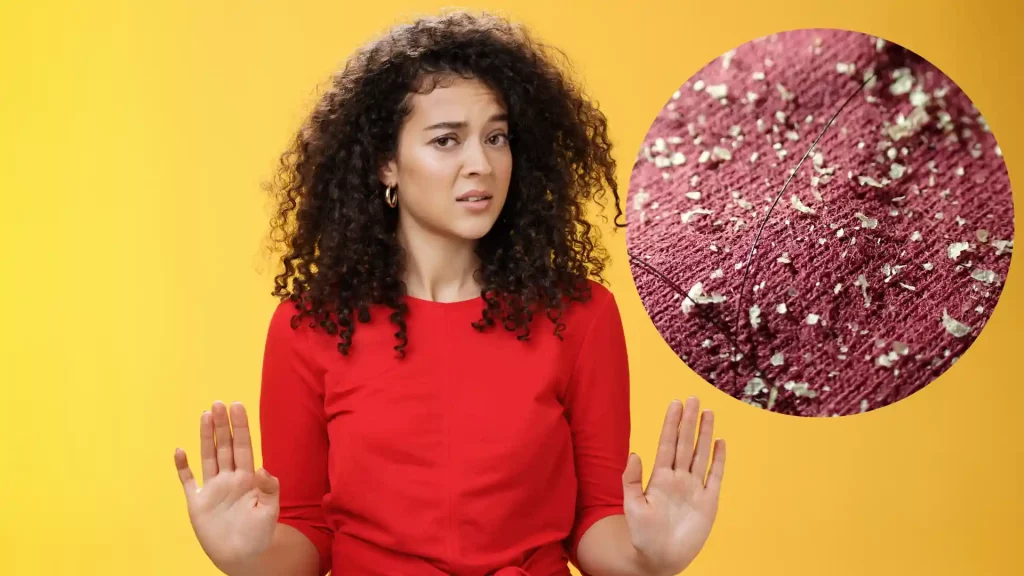
There might also be increased frizz and flyaways, making the hair difficult to manage. The texture of dehydrated hair tends to be rough and brittle, leading to split ends and breakage. Additionally, the scalp may suffer, resulting in dryness, flakiness, and irritation.
Finally, dehydrated hair can also be detected if it has a lackluster appearance, rough, and straw-like texture.
What causes dehydrated hair?

Several factors can lead to dehydrated hair. One primary reason is the lack of moisture in the hair, which can be exacerbated by environmental factors such as excessive sun exposure and wind.
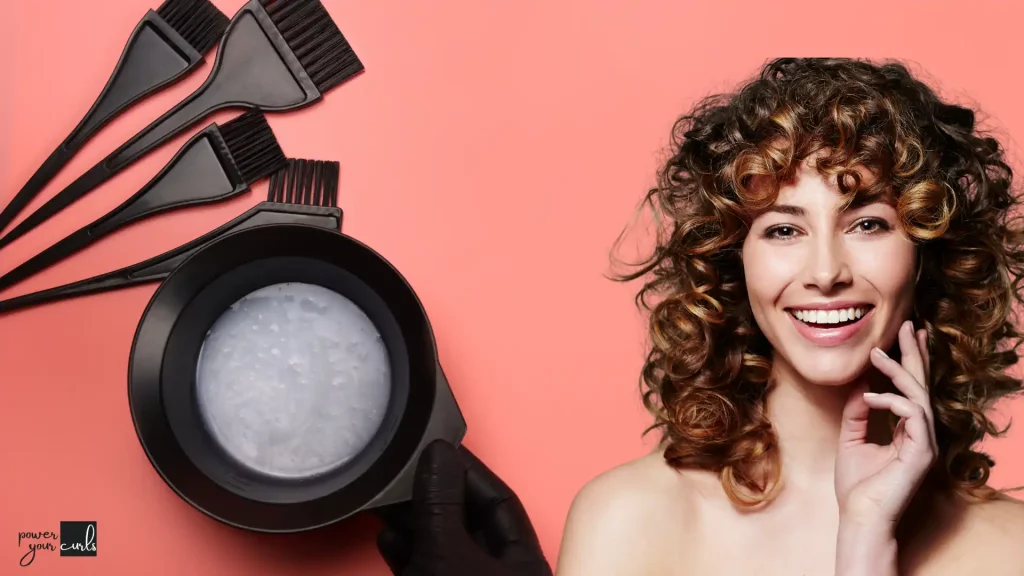
The second reason is overwashing and using harsh shampoos, which can strip the hair of its natural moisture. Frequent use of heat styling tools, such as hair dryers and straighteners, as well as chemical treatments like bleaching, coloring and perming, can also contribute to dehydration.
Another cause of dehydrated hair is a poor diet and insufficient water intake. Environmental factors and chemical treatments also significantly affect hair health, leading to increased dryness and damage.
Dehydrated hair can be a challenging issue, but with the right care and attention, it is possible to restore its health and vitality. By understanding the causes and signs of dehydration and implementing preventive measures and effective treatments, maintaining beautifully hydrated hair is just one step away.
How can you prevent dehydrated hair?
Preventing hair dehydration involves adopting a gentle and nourishing but multi-faceted hair care routine.
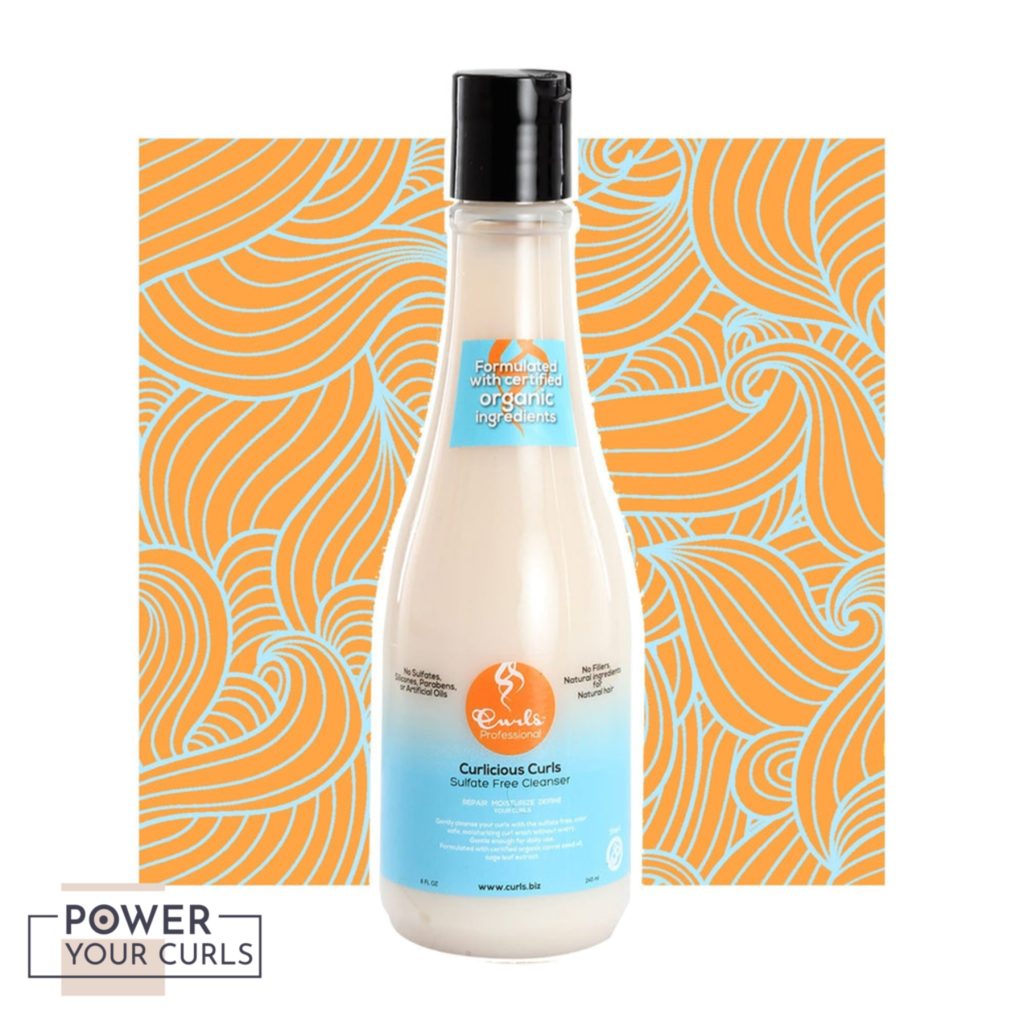
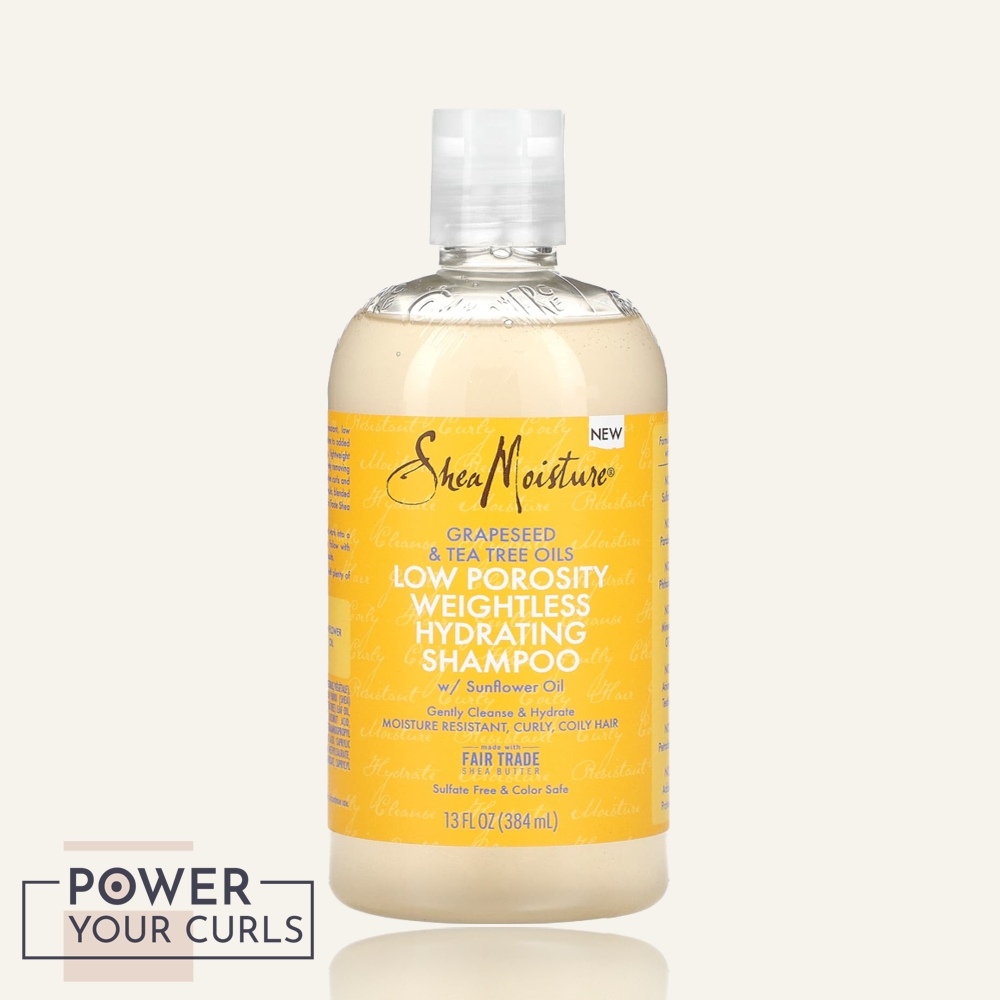
One way to steer clear of thirsty locks is by avoiding excessive heat and chemical treatments, as these can remove moisture from the hair, according to PowerYourCurls hairstylist Gwenda Harmon. Choose gentle, sulfate-free shampoos and conditioners that are designed to retain moisture. Consider using leave-in conditioners and hair masks to help provide deep hydration.
Another way to maintain hydration on hair is using leave-in conditioners. PowerYourCurls trichologist Dr. Faisal Hammadi said these products provide continuous hydration and nourishment. These products replenish lost moisture, smooth frizz, and improve manageability.
Dr. Hammadi also advises applying hair masks, or deep conditioning treatments, which can be left on the hair for 10 to 30 minutes. These moisturize, repair, and nourish with concentrated ingredients like hydrating oils and proteins.

Harmon recommends protecting your hair from extreme weather by wearing protective hairstyles and coverings. You can wear a hat with satin lining to protect hair from UV rays and prevent stripping off natural oils.
Moreover, Dr. Hammadi said maintaining a balanced diet rich in vitamins and minerals and drinking plenty of water supports overall hair health. Vitamins such as A, C, and E, as well as minerals like zinc and iron, are essential for maintaining hair hydration and overall health.
How do you hydrate your hair properly?
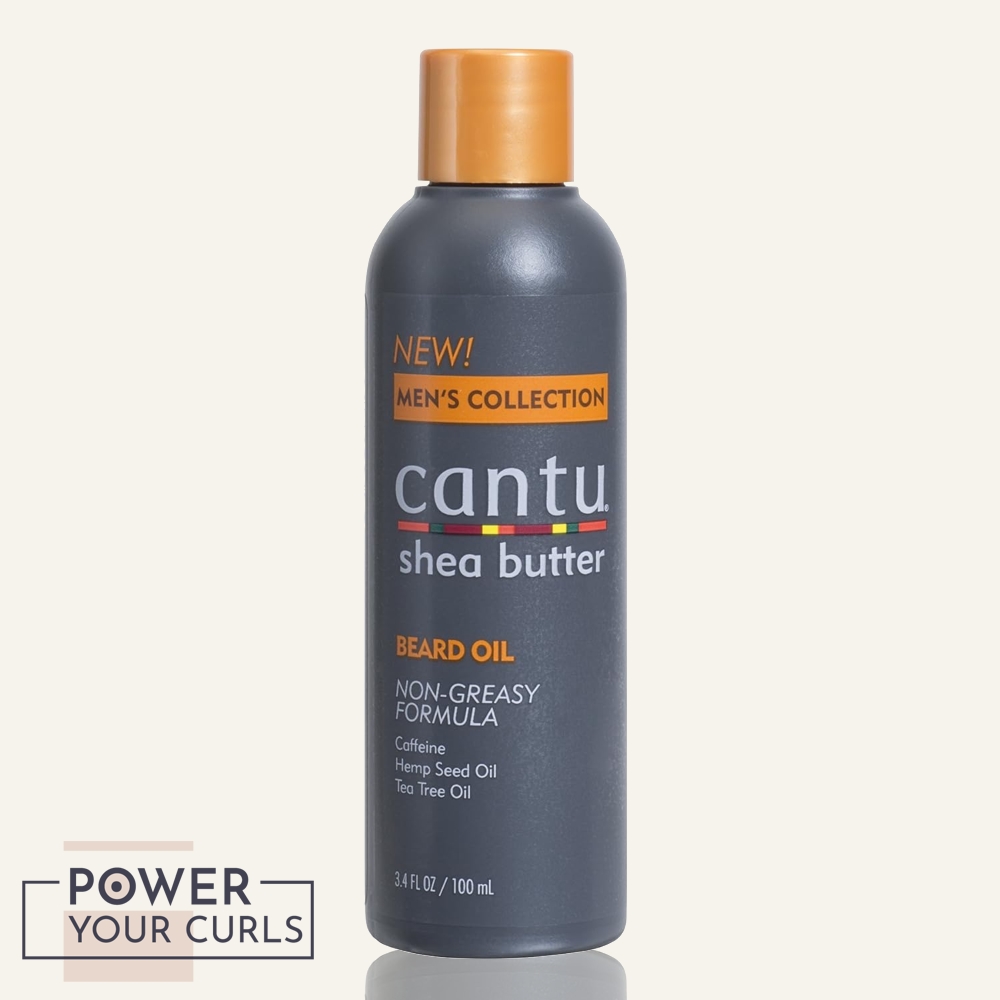
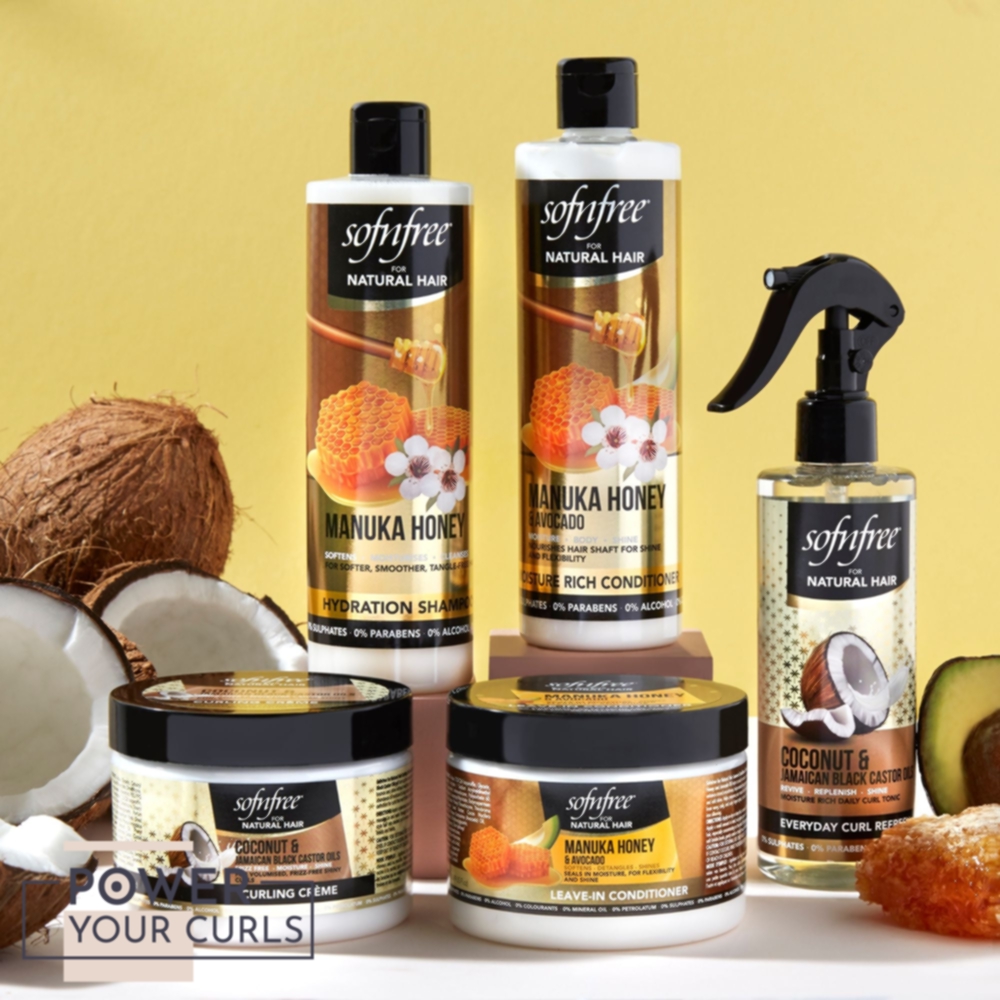
If you don’t retain hair hydration, chances are it will look brittle and more difficult to style. Consider incorporating regular deep conditioning treatments into your routine to effectively hydrate your hair. Dr. Hammadi advises that natural oils such as coconut oil and argan oil are excellent for adding moisture and sealing the hair cuticle.
Harmon recommends avoiding tight hairstyles like buns or braids that can stretch and stress the hair. When drying your hair, use gentle towel drying by patting instead of rubbing, and limit the use of heat styling tools.