


Some women may experience hair loss during the process of menopause.The process of menopause can become a turbulent time in any woman’s life. Women going through the process may experience severe symptoms, one of which is hair loss. A study published in The Journal of The Menopause Society found that Female Pattern Hair Loss (FPHL) was prevalent in 52.2% of women who have gone through menopause.
What is Menopause?
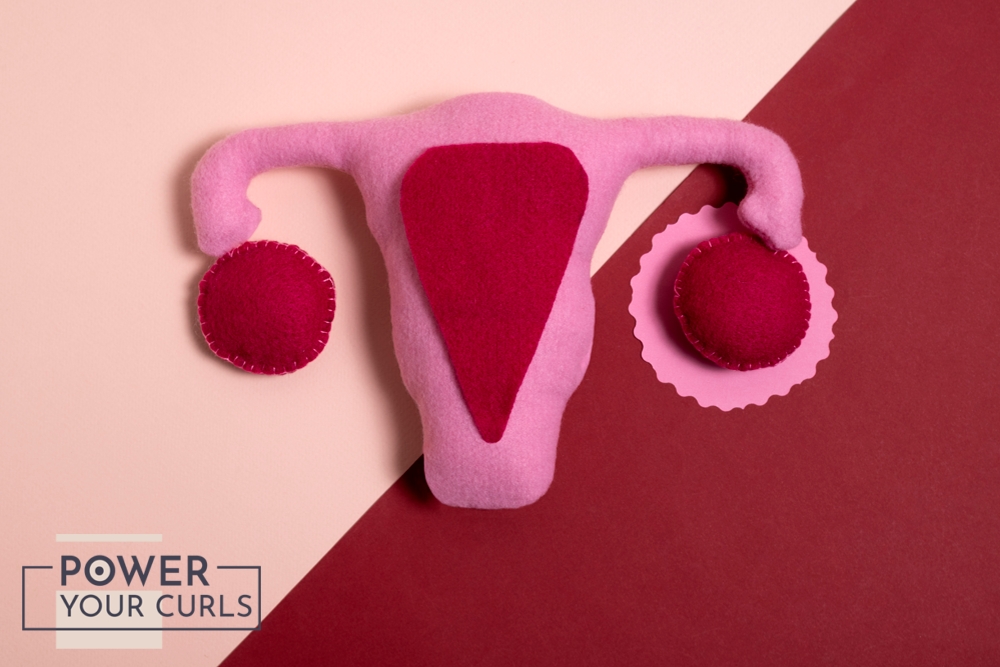
Perimenopause is the transitional period before menopause.Menopause is the period of a woman’s life when her menstrual periods cease permanently. It marks the end of her reproductive years, meaning she can no longer get pregnant. This is a normal process of aging and occurs between the ages of 45 to 55, although in some rare instances, it can be brought on by certain medical procedures. The transitional period before menopause is called perimenopause. During this period, the amount of hormones produced by the ovaries decreases causing menstrual periods to become more erratic. The process of perimenopause may begin as early as a woman’s mid-30s and as late as her mid-50s.
How does Menopause affect Hair Loss?
Menopause can affect the hormones responsible for hair growth.Symptoms and effects of menopause vary from person to person. FPHL indicates that not all women experience hair loss after menopause, while some may experience significant hair thinning. The National Library of Medicine explains that during menopause, hormonal fluctuation and aging can affect the hair follicles. A decrease in the hormone estrogen can lead to hair thinning, a change in hair texture, and loss of hair volume. Genetics, lifestyle, and diet may also contribute to FPHL.
What Can You Do About It?
Using Minoxidil
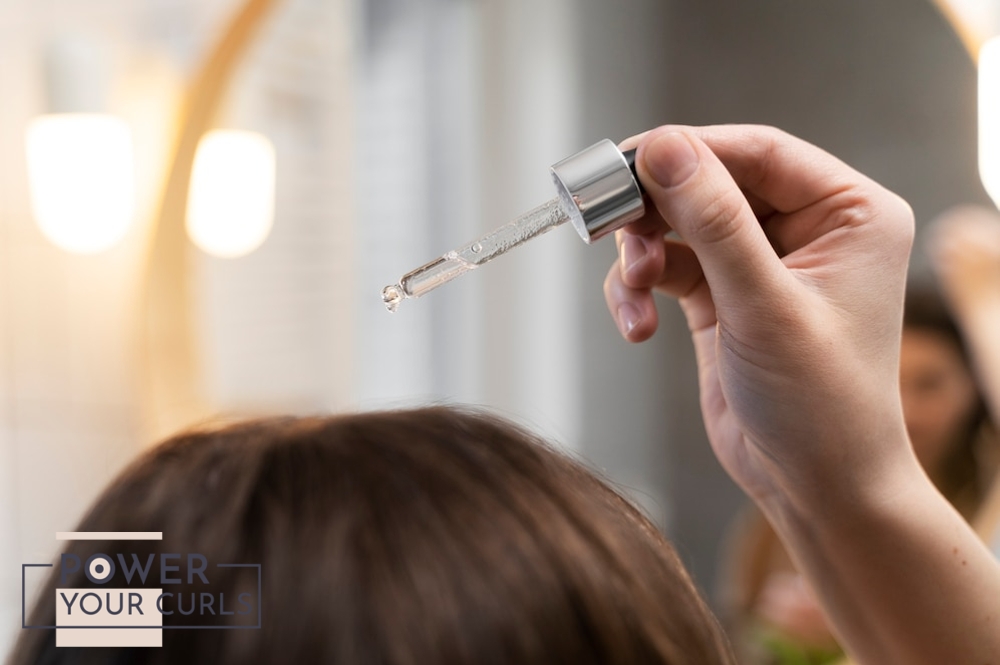
Minoxidil is a common treatment used for pattern baldness.In certain cases, healthcare professionals may prescribe the drug Minoxidil. Originally created for high blood pressure, users noticed regrowth of hair in previously thinning areas. It has since been repurposed as a treatment for hair loss.
Iron Supplements
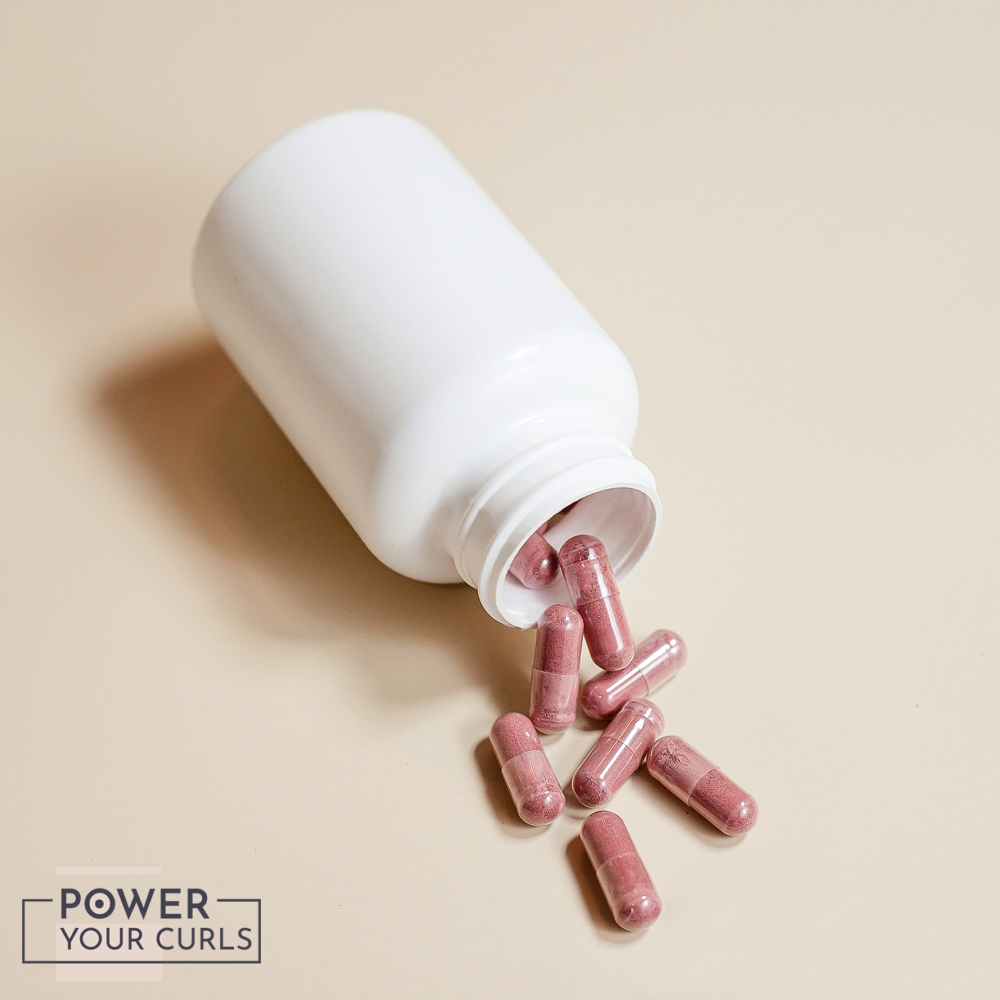
Iron is essential in providing oxygen to the hair follicles.Iron carries oxygen to the hair follicles. Low blood iron levels may contribute to thinning and loss. A common over-the-counter supplement is ferrous sulfate.
Anti-Androgens
Anti-androgens inhibit androgens such as testosterone, which can contribute to hair loss in women. In cases where minoxidil is ineffective, doctors may prescribe Spironolactone, which has anti-androgenic properties.Hair Transplants
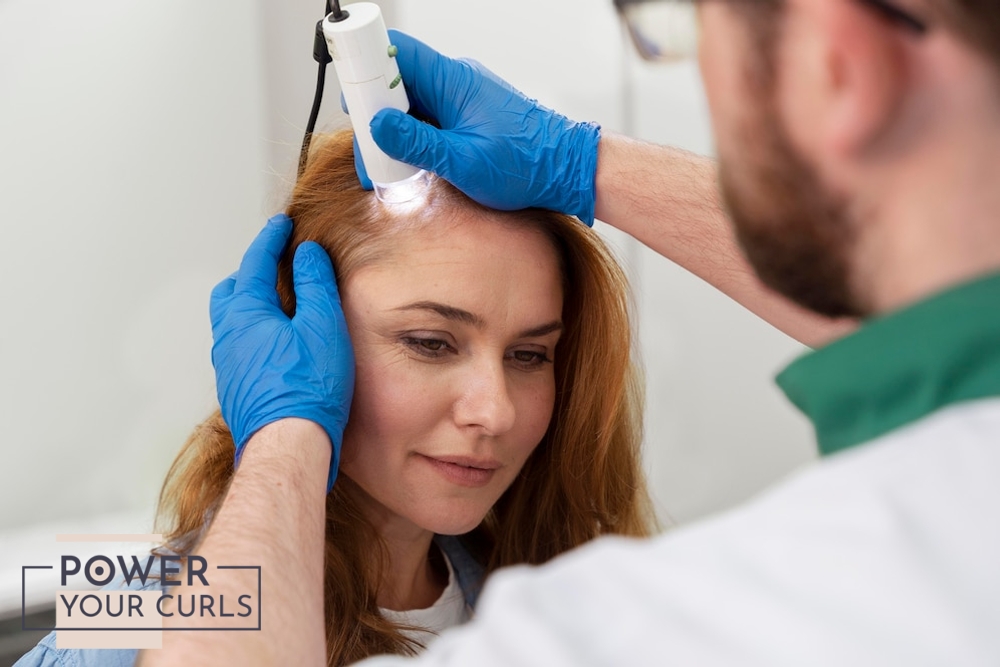
Hair transplants may be the solution if all other options are proven ineffective.If treatments prove ineffective, a hair transplant is an option. This medical procedure involves transplanting healthy hair follicles from one part of the scalp to areas of thinning. It offers a natural, long-lasting solution.
In Summary
Factors such as genetics, lifestyle, and diet can also contribute to Female Pattern Hair Loss (FPHL).Menopause may lead to hair loss due to hormonal fluctuations and aging. FPHL affects over 50% of postmenopausal women. Factors include genetics, lifestyle, and diet. Treatments range from Minoxidil and iron supplements to anti-androgens and hair transplants. Want to learn more? Read “Combat Hair Loss During Autumn: Why Now?” or explore our Curl Hub.